


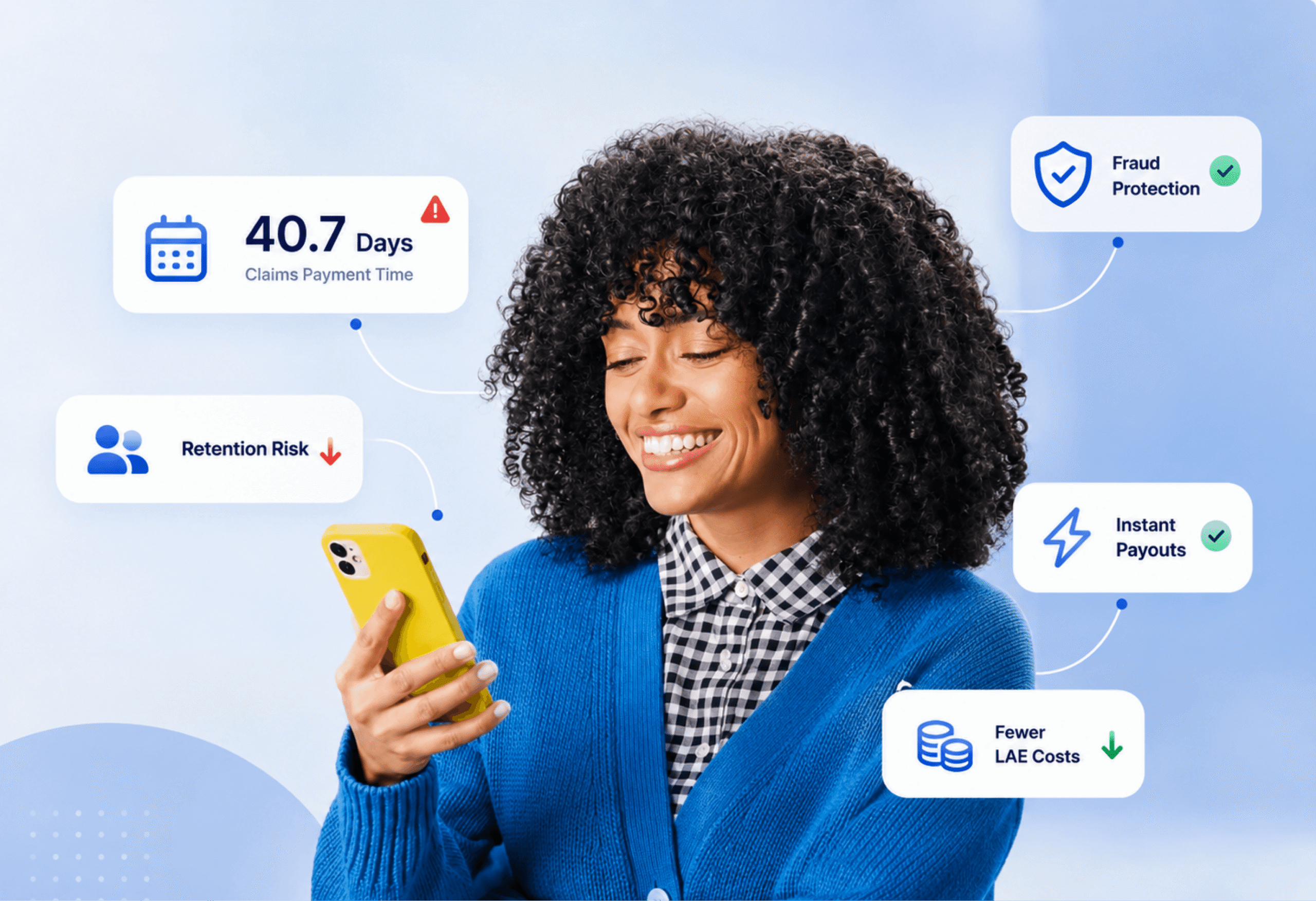
Insurance payment processing requires more than a payment gateway because insurers must manage the complete payment lifecycle, not just authorize transactions. Modern insurance operations depend on premium collection, claims disbursement, automated reconciliation, compliance, fraud controls, customer notifications, and seamless integration with policy administration and claims management systems. A payment gateway is an important component, but it is only one part of a much larger payment ecosystem.
As insurers accelerate digital transformation, policyholders expect payment experiences that are as seamless as online banking or digital commerce. Whether paying a premium or receiving a claims settlement, customers want speed, transparency, security, and flexibility. Delivering that experience requires a modern insurance payment platform designed specifically for the complexities of insurance.
What Is Insurance Payment Processing?
Insurance payment processing is the end-to-end management of financial transactions throughout the insurance lifecycle. It includes collecting premium payments, issuing claims payments, managing refunds, supporting multiple payment methods, reconciling financial records, maintaining regulatory compliance, and integrating with core insurance systems.
Unlike industries that process a single transaction and complete the sale, insurance involves ongoing financial interactions across the life of every policy. Payment operations must support policyholders, claims teams, finance departments, agents, MGAs, TPAs, and banking partners while maintaining complete accuracy and auditability.
Why Insurance Payments Are More Complex Than Other Industries
Insurance payments extend far beyond collecting premiums.
Every policy can generate multiple financial events including recurring premium payments, endorsements, refunds, reinstatements, cancellations, commissions, and claims settlements. A single claim may also involve payments to repair facilities, healthcare providers, contractors, attorneys, or policyholders, depending on the nature of the loss.
These transactions must be securely processed while remaining synchronized with policy administration systems, claims platforms, billing applications, ERP systems, and financial institutions. They must also comply with standards such as PCI DSS and ACH network requirements while maintaining detailed audit trails.
This complexity explains why insurers need a payment solution that manages workflows rather than simply processing transactions.
Payment Gateway vs. Insurance Payment Platform
A payment gateway securely transmits payment information and authorizes transactions between customers, payment processors, and financial institutions. It performs a critical function, but its responsibility typically ends once a payment is approved.
An insurance payment platform manages everything that follows. It orchestrates the movement of funds, automates reconciliation, updates policy and claims records, provides payment visibility, supports multiple payment methods, and simplifies compliance across the organization.
| Payment Gateway | Insurance Payment Platform |
| Authorizes payment transactions | Manages the complete payment lifecycle |
| Supports card and ACH processing | Supports premiums, claims, refunds, and disbursements |
| Processes transactions | Automates reconciliation and reporting |
| Limited operational visibility | End-to-end payment tracking |
| Generic payment capabilities | Built for insurance workflows and integrations |
The difference is simple. A payment gateway processes payments. An insurance payment platform manages payment operations.
The Business Cost of Fragmented Payment Systems
Many insurers continue to rely on disconnected payment tools that require manual intervention across multiple departments. Finance teams spend valuable time reconciling transactions. Claims professionals answer payment status inquiries that could be automated. IT teams maintain multiple integrations with banks, processors, and internal systems.
Many insurers continue to rely on disconnected payment tools that require manual intervention across multiple departments. Finance teams spend valuable time reconciling transactions. Claims professionals answer payment status inquiries that could be automated. IT teams maintain multiple integrations with banks, processors, and internal systems.
These inefficiencies create measurable business challenges, including:
- Slower premium collection and claims settlements.
- Higher operational costs due to manual reconciliation.
- Increased compliance and audit risk.
- Limited visibility into payment status.
- Lower customer satisfaction because of delayed or inconsistent payment experiences.
Modernizing the payment layer allows insurers to eliminate these operational bottlenecks without replacing existing core systems.
What Should a Modern Insurance Payment Platform Include?
A purpose-built insurance payment platform should support every stage of the payment lifecycle while integrating with existing insurance technology.
Key capabilities include:
- Insurance premium payment processing through ACH, credit cards, debit cards, digital wallets, and recurring billing.
- Insurance claims payment processing with support for digital disbursements, RTP, FedNow, virtual cards, and other modern payment methods.
- Automated reconciliation that reduces manual effort and improves financial accuracy.
- Secure API integration with policy administration systems, claims management platforms, billing applications, and ERP solutions.
- Enterprise-grade security with PCI DSS compliance, encryption, fraud controls, audit trails, and role-based access.
- Real-time payment visibility for finance, claims, operations, and customer service teams.
Together, these capabilities improve efficiency while creating a better experience for policyholders and internal stakeholders.
Why Payment Modernization Matters
Payment modernization is no longer just an IT initiative. It is a business strategy that improves operational efficiency, strengthens customer relationships, and supports long-term digital transformation.
When payment workflows are unified, insurers can accelerate claims settlements, simplify premium collection, reduce administrative overhead, and gain better visibility into financial operations. Faster payments also reduce customer inquiries and improve trust during critical moments such as claim settlements.
As payment technologies continue to evolve through real-time payment networks, digital wallets, and embedded finance, insurers need platforms that can adapt without requiring costly changes to their core insurance systems.
Why Tranzpay Is Built for Insurance
Tranzpay is more than a payment gateway. It is a purpose-built insurance payment platform that helps carriers, MGAs, TPAs, brokers, and InsurTech organizations modernize payment operations from end to end.
With Tranzpay, insurers can simplify premium collection, accelerate digital claims payments, automate reconciliation, integrate with existing policy and claims systems, and gain complete visibility into every payment transaction. The platform is designed to reduce operational complexity while delivering the secure, fast, and transparent payment experience that today’s policyholders expect.
Instead of replacing existing core systems, Tranzpay complements them by creating a connected payment ecosystem that supports both current operations and future growth.
Final Thoughts
Insurance payments are no longer a back-office process. They have become a defining part of the customer experience and an essential driver of operational efficiency.
A payment gateway remains an important component of payment infrastructure, but it cannot manage the broader workflows that insurers depend on every day. Modern insurance payment processing requires a platform that connects premium collection, claims payments, reconciliation, compliance, reporting, and customer communication into a single, intelligent workflow.
Organizations that modernize their payment operations today will be better positioned to reduce costs, improve customer satisfaction, and build a more resilient digital insurance ecosystem.
If your organization is ready to simplify insurance payment processing without replacing existing core systems, Tranzpay can help.
Schedule a personalized demo today and discover how Tranzpay is transforming insurance payments for modern insurers.
Frequently Asked Questions
- What is insurance payment processing?
Insurance payment processing is the end-to-end management of financial transactions throughout the insurance lifecycle. It includes premium collection, claims payments, refunds, reconciliation, compliance, reporting, and integration with insurance systems. - Is a payment gateway enough for an insurance company?
No. A payment gateway authorizes payment transactions, but insurers also need payment orchestration, automated reconciliation, claims payment management, customer notifications, compliance, and integration with policy administration and claims systems. - What is the difference between a payment gateway and an insurance payment platform?
A payment gateway securely processes payment transactions. An insurance payment platform manages the complete payment lifecycle, including premium payments, claims disbursements, reconciliation, reporting, compliance, and payment visibility. - Why is payment modernization important for insurers?
Payment modernization helps insurers reduce manual work, improve operational efficiency, accelerate claims settlements, strengthen compliance, enhance customer satisfaction, and support digital transformation without replacing existing core systems. - What payment methods should a modern insurance payment platform support?
A modern insurance payment platform should support ACH payments, credit cards, debit cards, digital wallets, recurring billing, RTP, FedNow, virtual cards, and other digital payment methods based on customer preferences. - How does Tranzpay help insurance organizations?
Tranzpay provides a unified insurance payment platform that simplifies premium collection, accelerates claims payments, automates reconciliation, integrates with existing insurance systems, and delivers secure, compliant, and transparent payment experiences for carriers, MGAs, TPAs, brokers, and InsurTech providers.