


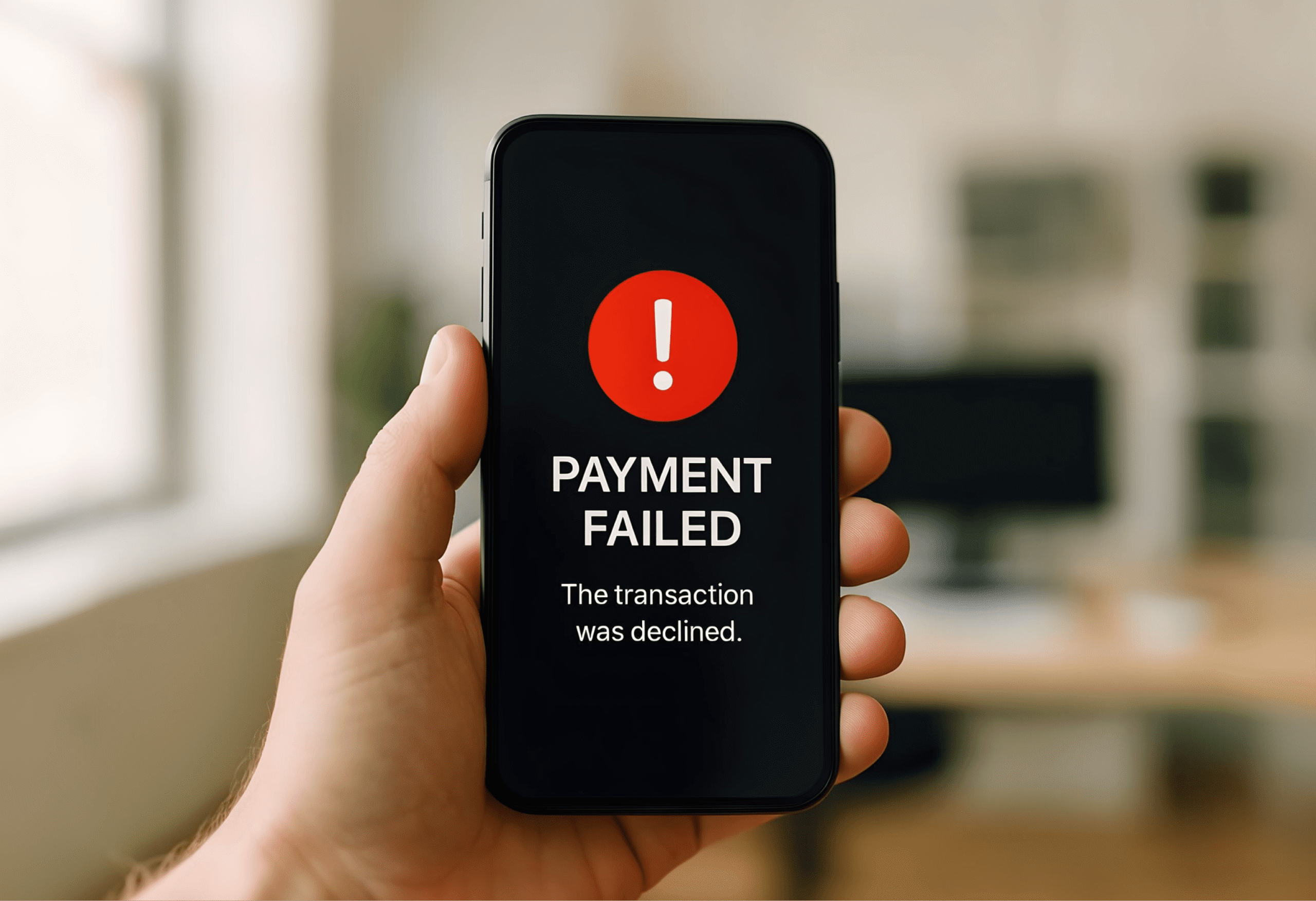
Premium collection is one of the most consistent touchpoints in the insurance customer relationship. When carriers make that experience clear, flexible, and easy to manage, they strengthen both operational performance and policyholder confidence.
That is why premium payment performance deserves attention beyond billing alone. Recurring payment workflows influence how easily policyholders stay on track, how much manual effort service teams absorb, and how smoothly carriers protect continuity across the policy lifecycle.
A missed or failed payment does not have to become a larger customer issue. With better recurring billing design, payment visibility, and recovery workflows, carriers can keep premium collection on course while supporting a stronger policyholder experience.
For carriers and MGAs focused on retention, the priority is not simply collecting premiums on time. It is building payment operations that make staying covered feel straightforward and dependable.
Why failed premium payments carry more risk in insurance
Insurance billing is not the same as a one-time retail transaction. A premium payment sits inside a broader relationship that includes underwriting, service, endorsements, claims, compliance notices, and renewal decisions. That makes payment performance part of the overall customer experience.
A failed premium payment may happen because a card expired, an ACH authorization changed, a bank account lacked available funds, or a policyholder missed a reminder. Those triggers may be operational, but the response is customer-facing. The policyholder notices how clearly the carrier communicates, how easy it is to recover, and how confident they feel about staying covered.
The easier that recovery path is, the more likely the carrier is to protect trust and keep the relationship moving forward. That is what makes payment workflow design relevant to retention.
How payment failures weaken the policyholder experience
Policyholders rarely separate billing from the rest of the carrier experience. They judge the relationship as one connected system, and payment interactions shape that perception in real time.
- Repeated payment failures make autopay feel unreliable, even when the root cause sits outside the carrier.
- Poor reminder timing can make a customer feel surprised by a lapse notice rather than supported before a due date.
- Manual recovery steps often force policyholders to move between email, call centers, portals, or paper notices.
- A fragmented payment experience can create uncertainty about whether coverage is active, pending, or at risk.
These moments matter because they shape renewal sentiment. A customer may not leave after one payment issue, but the ease of resolution influences how they evaluate the relationship over time and at renewal.
The operational cost behind failed premium payments
Premium payment performance also affects operating efficiency inside the carrier. The impact goes beyond cash flow timing.
- Billing teams spend time managing exceptions, retries, status checks, and payment method updates.
- Service teams handle inbound calls from policyholders who need clarification or reinstatement support.
- Finance teams deal with reconciliation noise when payment attempts, reversals, and recoveries are not easy to track.
- Compliance-sensitive workflows require notices, audit trails, and consistent handling when a payment issue affects policy status.
If payment recovery depends on spreadsheets, disconnected reports, or slow handoffs between departments, the cost rises quickly. Even when the premium is eventually collected, the carrier may spend more labor than expected resolving a problem that could have been prevented or contained earlier.
Common reasons insurance recurring billing fails
Carriers that want to reduce failed premium payments should start by separating root causes from symptoms. Not every failure should be handled the same way.
- Expired or replaced cards that were never updated in the customer profile.
- Bank account changes that break ACH setup for recurring drafts.
- Insufficient funds tied to paycheck timing or monthly household cash flow.
- Payment reminders that arrive too late, too early, or in channels the policyholder ignores.
- Autopay enrollment or payment update flows that take too many steps.
- Poor visibility into payment status for internal teams and policyholders.
The goal is not to eliminate every failure. That is unrealistic. The goal is to build a premium collection process that detects issues early, gives policyholders a clear path to recovery, and reduces the number of failures that become lapse or churn events.
What insurance premium collection software should help carriers do
Insurance premium collection software should not be judged only by whether it accepts payments. Carriers need payment operations that support recovery, visibility, and policyholder confidence.
At a practical level, the right setup should help carriers support recurring billing, offer multiple payment channels, simplify payment updates, and give both internal teams and policyholders a better view of what happened when a payment attempt fails.
Based on Tranzpay public website language, relevant capabilities include support for inbound payments across multiple channels, recurring payment collection, reporting visibility, white-label payment experiences, payment verification, and customer-facing payment touchpoints that can reduce friction around collection and recovery.
What matters most is how those capabilities reduce manual exception handling and make the payment experience easier to recover from. If the platform only processes the transaction but leaves the recovery workflow fragmented, the retention problem remains.
How carriers can reduce churn linked to payment failure
A better retention strategy starts with treating payment failure as a journey problem, not a single event.
- Tighten recurring billing hygiene
Review where autopay setup, payment method updates, and reminder timing create friction. Small points of confusion create avoidable failures over time. - Give policyholders more than one way to pay
Different policyholders prefer different payment methods. Carriers that support multiple channels can reduce the chances that one broken method becomes a dead end. - Improve failed-payment recovery flows
The recovery path should be fast, clear, and easy to complete on mobile or desktop. Policyholders should know whether they need to retry, change methods, or contact support. - Make payment status visible internally
Billing, service, and finance teams should not have to piece together payment history manually. Better visibility reduces repeat contacts and speeds resolution. - Connect payment operations to retention metrics
Track lapse notices, reinstatement activity, repeat failures, call volume, and renewal behavior around payment friction. That helps carriers see whether billing issues are quietly affecting retention.
Where Tranzpay fits
At Tranzpay, we help insurers modernize premium collection as part of a broader insurance payment operations strategy. Our platform supports recurring premium payment collection, multiple payment channels, white-label policyholder payment experiences, reporting, refunds, and claims-related disbursements.
We focus on helping carriers improve the full billing lifecycle, not just the transaction itself. That means giving insurance teams better control before payment, during payment, and when an exception needs to be resolved quickly and clearly.
Takeaway
Premium payment performance influences more than collections. It affects continuity, service effort, and how dependable the carrier feels to the policyholder.
Insurance teams that strengthen recurring billing, payment recovery, and payment visibility put themselves in a better position to protect renewals and reduce avoidable lapse activity.
At Tranzpay, we help insurers improve premium collection as part of a more connected payment operations strategy, so policyholders get a clearer payment experience and internal teams spend less time managing exceptions.
FAQs
- Why do premium payment failures matter for insurance retention?
They can disrupt the policyholder experience, increase lapse risk, create more reinstatement work, and weaken renewal confidence if payment recovery is not easy to complete. - Which policyholder touchpoints are most affected by failed premium payments?
Recurring billing reminders, autopay updates, payment retry flows, lapse notices, and customer service interactions are usually the most visible touchpoints when a payment issue occurs. - How can carriers improve failed-payment recovery?
Carriers can make recovery easier by simplifying payment updates, offering more than one payment method, improving reminder timing, and giving both policyholders and internal teams clearer payment status visibility. - What should insurers look for in premium collection software?
Insurers should look for support for recurring billing, multiple payment channels, policyholder-friendly payment experiences, reporting visibility, and better handling of payment exceptions and recovery workflows. - How does Tranzpay help with premium collection?
At Tranzpay, we help insurers support recurring premium collection, multiple inbound payment options, white-label payment experiences, reporting, and related payment operations workflows designed for the insurance industry.